What is internet connection sharing? Simple explanation

We’ve all been there – your phone has internet, but your laptop refuses to connect. Or maybe your hotel room only allows one device online, and everything else is stuck offline. You turn on a hotspot and everything loads so slowly you manage to do your daily chores around the house.
It’s frustrating, especially in this digital age where we need to have a stable internet connection all the time.
Understanding how internet connection sharing works can save you time, fix those annoying connection issues, and even open up a few unexpected opportunities.
What is Internet Connection Sharing (ICS)? A detailed description
Internet Connection Sharing (ICS) is a feature that allows one device with internet access to share that connection with other devices nearby.
In simple terms, internet connection sharing means turning one device into a mini internet hub.
Let’s say your laptop is connected to Wi-Fi. You turn on sharing, and suddenly your phone connects through your laptop.
Your laptop becomes the “middleman” — receiving internet and passing it along. That’s all ICS really is. No complicated setup required (in most cases).


How internet connection sharing works
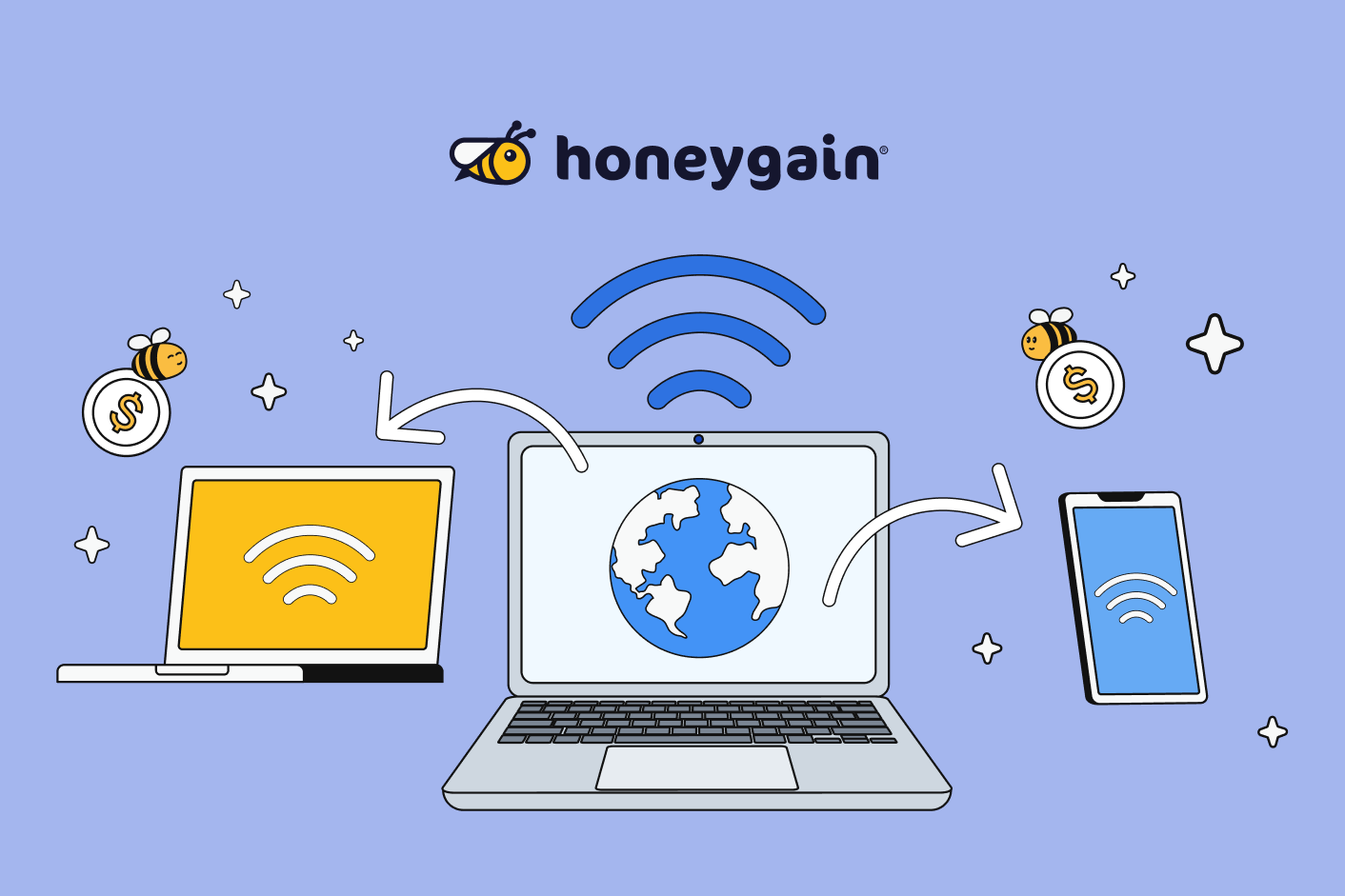
If you’re interested in how a phone can access the internet via a computer, you should picture your main device (in this case, the computer) as a router.
A router’s job is to be a sharing center of the internet. It distributes the computer’s internet connection to other network users. So, with bandwidth sharing, your laptop or phone does the same job — just on a smaller scale.
This is how the host computer serves as a router:
- One device connects to the internet (Wi-Fi, Ethernet, or mobile data)
- That device creates a local network and becomes a gateway
- Other devices connect to the local network
- Internet access gets “passed through” to those devices
You can connect one computer or even several devices to one local network. If you’re having a hard time picturing it, think of it like sharing a single pizza.
- One pizza = your internet connection
- More people/other devices = more slices being shared
So, the more devices you connect to your local network, the less speed you’ll get. If you have 8 people and only one pizza, everyone will eat but have smaller portions, right?
Expect your internet speed to drop if there are other computers or phones that can access the internet in your home.
Key features and IP address basics
Sharing internet to other computers comes with a few basics you should know.
Sharing one connection across multiple devices
At its core, internet connection sharing lets multiple devices use one internet source.
For example, you could connect:
- your phone
- your laptop
- your tablet.
…all through a single connection and make it into a gateway.
This is especially useful when:
- Wi-Fi is limited (hotels, airports)
- only one device is allowed online
- your router isn’t available
Instead of struggling with access, you just “extend” the connection from one device to others. This is especially useful if you don’t want to work under a single public IP address (like a public Wi-Fi hotspot). You’ll still be connected to the internet, just in a safer and more secure manner.
Works through different methods in a home network
There are a few common ways internet connection sharing happens — and you’ve probably used at least one without realizing it.
Hotspot: Your phone shares mobile data with nearby devices via Wi-Fi.
Tethering: A direct connection (USB or Bluetooth) shares internet between devices.
Router sharing: A router distributes internet across your entire home network.
Each method does the same thing — it just changes how devices connect to the internet. If you’re having trouble with one of these methods, you should change adapter settings, check your operating system, or do simple troubleshooting with the host computer or router.
You can also share your internet through LAN connections but it involves additional steps.
Bandwidth is shared between devices
Here’s the part that confuses most people — and causes frustration.
When you share your connection, you’re not creating more internet. You’re dividing what you already have with all the network users to connect to your hotspot.
What this means in practice:
- One and only device directly connected to the internet→ fast connection
- Two devices on the same network → slightly slower
- Multiple devices → noticeable slowdown
So if your video starts buffering or downloads take longer, nothing is “broken.” You’re simply splitting your bandwidth. No amount of fixes to the network adapter, WiFi adapter, manual configuration, or exploring hidden categories will fix this.
Quick tip
If speed becomes an issue and you have multiple devices directly connected to your network:
- disconnect unused devices
- limit background apps
- prioritize important tasks
Small changes can make a big difference. You can always check your internet speed via specific websites.
Additionally, you can get a different plan with your internet provider. Check speed and amount of data you get per plan.
Additional use cases beyond personal internet sharing
Most people think of internet connection sharing as just a way to connect their own devices to the network. But it goes a bit further than that.
In some cases, your unused internet bandwidth can actually be put to use, and you can make money by sharing your internet connection. If you’re wondering what internet selling means in the context of bandwidth sharing, it refers to sharing your unused internet bandwidth with trusted apps in exchange for rewards. Apps use small portions of your internet connection to:
- help businesses access public data
- support research or testing
- improve online services
Instead of letting your connection sit idle, it’s quietly working in the background. One thing to keep in mind is that you can’t use public IP addresses or a VPN connection. You must be connected to your home network and use a private IP address.
One example is the option to sell internet data with Honeygain, where users share unused bandwidth securely and get compensated for it.
If you’re curious, you can explore how a make money by sharing internet connection app works in practice, along with other platforms that let you sell internet data. Keep in mind to check which operating systems the platforms support and if you can use a local area network or need to have a private IP address instead of a public IP address.
It’s not a replacement for your main income — but it’s an interesting extension of the same idea: sharing your connection, just in a different way.
Key takeaways
- Internet connection sharing lets one device provide internet to others. It’s similar to a single public IP address that you can find on public Wi-Fi where anyone can access it and use the web.
- A host computer serves as a mini router using hotspots, tethering, or local networks.
- Speed is shared, so more devices can mean slower performance on one IP address.
- Beyond personal use, shared internet can even be used for small passive income opportunities.
FAQs
What does it mean to allow internet connection sharing?
How do I share my Internet connection?
How do I turn on internet connection sharing?
Can I disable internet connection sharing?
Related articles

Earn passive income effortessly
